Category: Activities

Lucky Dip Poetry Recital Game

Host a “Luck of  the Draw” Poetry Recital

When it comes to poetry recitals, it’s not unusual to feel a bit nervous; why not lighten the mood by turning the event into a game?

Whether your group are studying a particular poem, poet or topic – or whether you’ve been writing your own poems – you can bring some excitement to the event by creating a ‘lucky-dip’. A ‘lucky-dip’ is a British game, where small prizes are concealed inside a large container, and players have to reach inside and grab one without being able to see what it is. In this recital game, the prizes are the poetry!

Getting Ready

First, decide what you will be reciting. The text will need to be printed onto slips of paper. If you have been looking at one particular poem, each slip could have one line or phrase; if you have been studying a poet, or a theme, the slips could have short extracts of relevant poems; if your group have written their own poems, each one could be printed on an individual slip… Make sure you have enough printed slips for everybody in the group to receive one!

How to Celebrate National Poetry Month

Poem in Your Pocket

Beginning in 1996, April has been declared National Poetry Month in the US. This tradition was started by the Academy of American Poets to celebrate poets and the wonderful things that poetry can bring to our lives.

There are plenty of ways for kids to celebrate National Poetry Month. Here are a few suggestions to get you started:

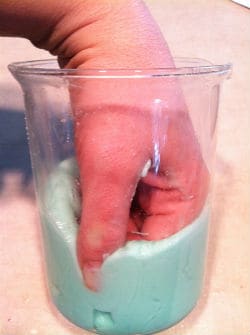
April Fool’s Day Poetry Activity – Making Musical Goo

Noisy Slime

April 1st is one of my favorite days of the year. Why? Because it’s April Fool’s Day!

April Fool’s Day is a time to get creative and play fun pranks on friends, teachers, siblings and parents.  There’s also the anticipation of the prank’s success, and the thrill of wondering if someone is going to play a prank on you. The most important thing to remember about this silly holiday is to keep a good attitude. Sportsmanship is key. Make sure your pranks are not designed to hurt anyone physically or emotionally. Also, don’t get angry if someone puts a whoopee cushion on your seat. It’s funny… so laugh along.

In the following poem, kids play all kinds of April Fool’s Day pranks on their teacher… only to discover that their shenanigans land them in a not-so-funny situation!

How to Create a Poetry Inspiration Scrapbook

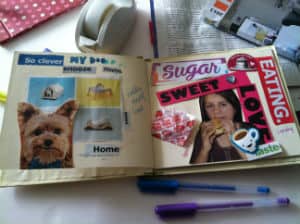
Poetry Scrapbook

Words are everywhere. They are on our toothpaste tube when we rub the sand out of our eyes and brush the scum off our teeth in the wee hours of the morning. Words are on our cereal box, our t-shirt, and the signs that mark our neighborhood streets. Words are even in our heads, as we internally tag each object around us with its corresponding name.

So if words are all over the place, why is it that we can often sit down to attempt writing- a poem or a story or an essay- and we can’t find the words? Well, it’s not that the words aren’t there. It’s just that for whatever reason… maybe we had a bad day, or we’re distracted by that upcoming test, or we’re excited about a birthday party… sometimes we aren’t feeling inspired.

World Poetry Day

World Poetry Day

March 21st is World Poetry Day, so don’t miss out on your chance to celebrate all things poetic with the rest of the planet!

In 1999, the United Nations Educational, Scientific and Cultural Organisation – or UNESCO for short – decided to establish an event that would recognize the impact poetry has had on the arts and cultural life throughout human history, and so, in 2000, the first World Poetry Day took place!

It’s a time to support poets, who often work very hard with very little recognition, but is also a time to appreciate poetry from around the world.

How to Make a Shamrock Lucky Charm Poem for St. Patrick’s Day

St. Patrick's Day Poetry Activity

St. Patrick is the patron saint of Ireland, a country known for shamrocks, leprechauns and lucky charms. People celebrate St Patrick’s Day on 17th March, by wearing green clothes, and pinning a shamrock to their outfit. A shamrock is the Irish name for clover, and it’s always been considered lucky to find one with four leaves instead of the usual three!

This year, I’m going to show you how to make your own lucky shamrock charm to wear on St Patrick’s Day, or to give to someone you love!

The word ‘charm’ comes from the French ‘charme’, which means song. Here is an ancient charm poem from Ireland that explains why a four-leaved shamrock is so lucky:

One leaf is for fame,
And one leaf is for wealth,
And one is for a faithful love,
And one to bring you glorious health.

Children’s Poetry Activities

Looking for ways to have fun with poetry besides just reading it? Here are poetic activities that you can use at home or in the classroom to celebrate holidays, have parties, make crafts, and more.

Worksheets

Holidays

Poetry Theater

Classroom Activities and Parties

Arts and Crafts

Other Activities

Poetic Air Freshener Craft Activity

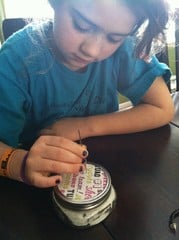
Make your own air freshener

Hands-on projects help bring poetry to life for young children. In the poem “The Armpit of Doom,” the speaker is experiencing the horrible sights and smells of her brother’s disgusting, stinky bedroom. Have you ever smelled something so bad that it literally makes you want to vomit? All you want to do is smell something good to erase that odor from your mind! In this project, we’ll create homemade air fresheners that you can keep for your own self-defense, or give to that stinky-room person in your life as a special gift from you to them. They may not appreciate it… but everyone else will!

Fairy Tales and Poetry

Often when they’re asked to write a poem, children can get stuck at the first hurdle: What to write about. By using a familiar starting point, you can kick-start your class’s creativity by giving an easy way in—and a great place to begin is with the fairy tales they’ve grown up with!

Many fairy tales are even older than the printing press. Originally, they were passed on from person to person and generation to generation only orally. (Once books became commonplace, people such as the Brothers Grimm were able to collect the stories from people  and commit them to paper.) A great way for people to remember stories in those days was to turn them into rhyming poems or songs—often called ballads—so they could pass them on from one person to the next. This meant that each person could also change the story when they told it, to keep it interesting and relevant (or if they had forgotten a bit!).

Once the stories were written down, they weren’t as easy to change, because the printed word was there for everyone to see. This activity is all about creating a rhyming version of a well-known fairy tale story, and memorizing it at the same time.

Please Don’t Read This Poem: A Poetry Activity Using Invisible Ink

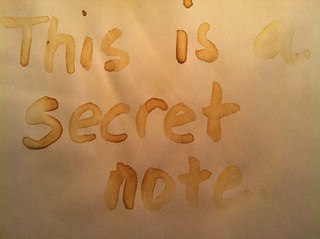
There’s nothing so exciting as a secret!  That’s why private messages written on folded paper, passed to friends who you know will keep your secret, are so thrilling… There’s a chance the note might get intercepted, and the information will get leaked!

This is a secret note

The following poem is about a poem that nobody is supposed to read. It’s a secret, but not a very good one, because everyone keeps reading it, even when the author asks them to stop!