
Francisco Xavier Alarcón was a poet who believed that poetry should belong to everyone, especially children. He wrote poems that celebrated family, culture, language, and love, using simple words that carried deep meaning. His poetry helped many young readers see themselves in books, sometimes for the very first time.
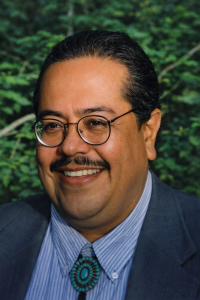
Francisco was born in 1954 in the United States to Mexican parents. He grew up moving back and forth between the U.S. and Mexico, which gave him a strong connection to both cultures. This experience shaped his poetry and helped him understand what it feels like to live between two worlds.
Growing Up Between Two Cultures
As a child, Francisco heard stories, songs, and poems in Spanish at home and English at school. He learned early that language is powerful. It can help you feel proud of who you are and where you come from. Sometimes, though, he felt that kids like him—Latino kids, bilingual kids—didn’t always see their lives reflected in books.
That feeling stayed with him as he grew older and became a writer. He decided that one of his goals as a poet would be to write poems that showed children from many backgrounds that their lives mattered and their stories were worth telling.
Becoming a Poet and Teacher
In school, he studied literature and eventually became a professor, teaching college students about poetry and Mexican-American literature. But even as he taught adults, he never forgot how important it was to reach young readers.
He believed poetry should not feel scary or confusing. Instead, it should feel welcoming, like a friendly voice speaking directly to you. That belief guided the way he wrote poems for children: short, clear, musical, and full of feeling.
Poetry Written Especially for Children
Alarcón is especially remembered for his children’s poetry collections, many of which are bilingual, written in both English and Spanish. This was very important to him. He wanted children who spoke Spanish at home—or who were learning English—to feel comfortable and proud reading poetry in both languages.
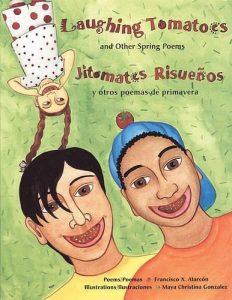
Some of his best-known books for young readers include Laughing Tomatoes, From the Bellybutton of the Moon, and Angels Ride Bikes. These books are filled with poems about everyday moments: eating with family, celebrating holidays, riding bikes, feeling joy, and sometimes feeling sad or confused.
His poems often focus on simple things, but they carry big ideas. A poem about food might really be about family. A poem about the moon might be about wondering who you are. That’s what makes his poetry special; it speaks softly but stays with you.
Celebrating Culture and Identity
One of the most powerful things about Alarcón’s poetry is how it celebrates Latino culture. He wrote about traditions like Día de los Muertos (Day of the Dead), family gatherings, and the warmth of community. For children who shared that background, his poems felt familiar and comforting. For children who didn’t, his poems opened a window into a different way of life.
One key thing about his children’s books is that many of them were written in both Spanish and English. By placing the two languages side by side, he showed children that the same feelings, ideas, and stories can be shared in more than one language. This helped Spanish-speaking children feel proud of their home language, helped English-speaking children discover a new one, and reminded everyone that words may sound different, but their meaning, and their power, can be the same.
He showed that poetry can help us understand each other better. You don’t have to share the same experiences to connect with someone’s feelings.
A Gentle, Kind Voice
Francisco X. Alarcón’s poems are known for being gentle and kind. Even when he wrote about serious topics, like loss or growing up, he used words that felt safe and honest.
Teachers and librarians loved his work because it invited kids to talk, share, and write their own poems. His poems often inspired children to try writing poetry themselves.
A Lasting Impact
Francisco X. Alarcón passed away in 2016, but his poetry continues to be read and loved. His books are still shared in classrooms, libraries, and homes. He helped change children’s literature by showing that poetry could be bilingual, culturally rich, and joyful all at once.
Most of all, he showed young readers that their voices matter. Through his poems, he reminded children that who they are—where they come from, what language they speak, and what they feel—is worth celebrating.
Francisco X. Alarcón didn’t just write poems for children. He wrote poems with children in mind, offering them warmth, pride, and the simple but powerful message that they belong.

- Weekly Children’s Poetry Roundup – Saturday, April 4, 2026 - April 4, 2026
- Book Review: A Catalog of Curious Creatures - April 2, 2026
- Weekly Children’s Poetry Roundup – Saturday, March 28, 2026 - March 28, 2026